
You bankroll the wrong way and the maths eats you. Most newcomers treat a tournament grid like a menu and pick the flashiest prize without checking the entry cost. Smart players start with session budgets before they ever register an account. Look at the online casino tournament schedule AUD and you will see the difference between a loose weekend sprint and a disciplined run. The Gold Coast knows a thing or two about pacing, from the late arvo breeze at Burleigh to the quiet hum inside a Southport RSL hall.
Down Under we play differently to the Americans and the Europeans. In the UK and across Europe, tournament operators run fixed calendar grids that look like railway timetables, with entry windows and rebuy cuts drawn in stone. The US market chases big televised prize pools and leans on spectacle over structure. We take a narrower path here, matching event windows to local habits and keeping the stakes honest.
What a tournament grid actually is
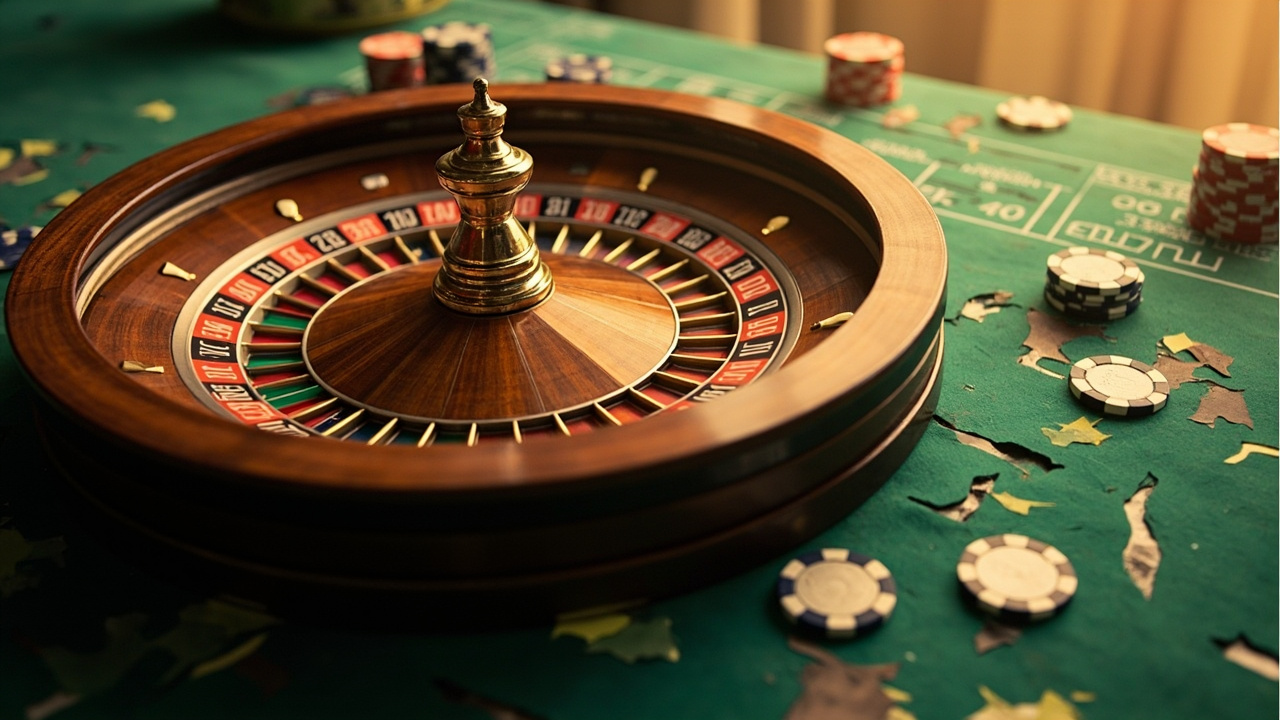
A grid is simply a list of events with start times, entry fees and prize tiers laid out in order. You should treat it like a training plan, not a lucky dip. Pick one event, note the blind levels, and decide your session budget before you click register. Say you deposit fifty dollars and carve that into five sessions of ten each, you have a staking rule you can actually hold to.
The community cards in a poker tournament arrive in a set order that shapes your decisions. The five community cards are dealt as the “flop” (three), the “turn” (one), and the “river” (one). Knowing that sequence matters because your staking plan has to survive the early streets before the later streets arrive.
Why the entry window matters more than the prize
The clock is the part most first-timers ignore. A late entry can cost you a seat, and a rebuy window that closes too soon can leave you short-stacked for the whole run. Read the rules on timing before you commit, because a cheap seat in a poorly timed event is just an expensive way to learn.
Some wheels in the past changed how people judged their odds. Their single-zero wheel gave players better odds than rivals’ double-zero wheels. The lesson carries over to tournament grids too: small structural edges compound when you pick events with sensible blind structures rather than flashy top prizes.
Bankroll rules for a first session
Set a loss limit before you join anything and write it down somewhere visible. If your limit is reached, you stop, no arguments and no chasing the next event to recover. A session budget is not a target to hit, it is a guardrail that keeps a bad run from becoming a ugly week.
Keep your staking flat across the early levels so you do not bleed out before the blinds climb. A simple rule works best for a beginner: one buy-in per event, no rebuys unless the rules and your budget both allow it. That discipline is what separates a planned night from a panic.
The local rhythm behind the numbers
Pub and RSL pokies culture runs on a different clock to playing online. In a local hall you feel the room, hear the machines, and read the mood before you drop a coin. Online play removes that social cue, so you have to build your own stop signal instead of waiting for the room to tell you to go home.
The Gold Coast shapes how people fit a session into a normal day. A lunch break at a Southport cafe or an evening walk along the Broadwater can be the natural breakpoint that keeps a session short. Use the local rhythm as your timer, because a hard stop beats a vague promise to play one more hand.
For broader context on how Australians think about risk and money, a piece over at Australian risk analysis lays out the mindset well, and a sober read at value and discipline reminds you that patience pays.
Picking events without blowing the budget
Start with low-entry events that match your bankroll, not your ego. A small prize pool with a sensible blind structure is a better teacher than a huge field where you are out by level three. Check the schedule, note the buy-in, and make sure the total fits inside your planned session.
Here is a short list of things to check before you register:
- Read the entry fee and confirm it sits inside your session budget before you join.
- Check the start time against your real available window so you do not play tired.
- Look at the blind levels and decide whether the climb fits your staking plan.
- Note whether rebuys are allowed and whether your loss limit still holds if you use one.
- Pick one event per session at first so you can judge how you actually perform.
A myth worth dropping
Some players think a busy grid means better chances, as if more events automatically hand you an edge. That is a myth that falls apart the moment you count the cost of entries against a fixed bankroll. A crowded timetable can tempt you into overplaying, and overplaying is how a session budget turns into a regret.
Reading the board without losing your head
Watch the pace of the room and your own hands before you make the next move. If you are tilting after a bad beat, step away from the next event and reset. A tournament grid rewards patience more than it rewards stubbornness, so a clean break is often the best play.
For a closer look at how our own events are laid out, the page at https://wheres-the-gold-pokies.com/aussie/ walks through the local setup in plain terms.
What a good run looks like next time
Picture yourself on the Broadwater boardwalk after a disciplined session, phone in your pocket, budget intact, and the grid still full of events you chose not to chase. That is the scene worth aiming for, because a stopped session is a won session even when the cards or the wheels did not go your way. The timetable will always be there tomorrow, and your bankroll will still be there if you treated it right today.